
Choosing the right wedding venue is one of the most important decisions couples make during the planning process. The venue shapes nearly every aspect of the wedding, from guest experience and décor possibilities to logistics, photography, catering, and overall atmosphere. Even the most beautiful wedding concepts can feel disorganized if the venue does not align with the couple’s vision, budget, or practical needs.
Professional wedding planners understand that venue selection is not simply about finding a pretty location. It involves evaluating functionality, guest comfort, accessibility, vendor flexibility, and long-term planning considerations. A venue must support both the emotional tone and the operational demands of the wedding day.
Modern couples have more venue options than ever before, including luxury hotels, barns, vineyards, private estates, rooftop spaces, beaches, gardens, and historic mansions. While the variety offers exciting possibilities, it can also make decision-making overwhelming. Understanding how planners approach venue selection can help couples make more confident and informed choices.
Why Venue Selection Matters So Much
The venue serves as the foundation for the entire wedding experience. Almost every planning decision is influenced by the location itself.
Areas Directly Affected by Venue Choice
A wedding venue impacts:
- Guest capacity
- Budget allocation
- Décor style
- Catering logistics
- Entertainment setup
- Photography opportunities
- Transportation planning
- Timeline structure
- Weather contingency options
Choosing the right venue early simplifies the rest of the planning process significantly.
First Impressions Matter
Guests begin forming impressions the moment they arrive. The venue sets expectations for the atmosphere, style, and overall experience of the celebration.
Start With the Wedding Vision
Professional planners encourage couples to define their overall wedding vision before touring venues.
Important Questions to Consider
Couples should discuss:
- Formal or relaxed atmosphere
- Indoor or outdoor setting
- Modern or traditional style
- Large or intimate guest count
- Seasonal preferences
- Desired guest experience
A clear vision prevents couples from becoming distracted by venues that look beautiful but do not align with their priorities.
Matching the Venue to the Style
A luxury ballroom may suit a formal black-tie wedding, while a countryside vineyard may better complement a relaxed outdoor celebration.
Establish a Realistic Budget Early
One of the biggest venue selection mistakes is touring locations that exceed the overall wedding budget.
Why Venue Costs Affect Everything Else
The venue often becomes one of the largest wedding expenses. In addition to rental fees, couples may also need to budget for:
- Catering
- Rentals
- Lighting
- Staffing
- Parking
- Transportation
- Security
- Cleanup fees
Understanding total costs helps prevent financial stress later.
Ask About Hidden Fees
Professional planners always ask venues about additional expenses such as:
- Service charges
- Overtime fees
- Vendor access costs
- Corkage fees
- Equipment rentals
- Insurance requirements
Transparency is essential before signing contracts.
Prioritize Guest Capacity and Comfort
The guest experience should remain central throughout venue selection.
Avoid Overcrowding
A venue should feel comfortable rather than packed. Guests need room to:
- Move easily
- Socialize comfortably
- Access dining areas
- Enjoy entertainment
- Reach restrooms conveniently
Crowded spaces negatively affect the overall atmosphere.
Avoid Oversized Spaces for Small Weddings
A venue that is too large can make intimate weddings feel empty or disconnected. The space should match the guest count appropriately.
Consider the Venue Layout Carefully
Beautiful décor cannot fix poor functionality. Experienced planners pay close attention to layout flow and logistical practicality.
Important Layout Factors
Planners evaluate:
- Ceremony-to-reception transitions
- Dance floor placement
- Catering access
- Bar locations
- Restroom accessibility
- Parking convenience
- Guest entry flow
Efficient layouts improve comfort and minimize confusion throughout the event.
Flow Impacts Guest Energy
Well-designed spaces encourage natural movement and social interaction while preventing bottlenecks or congestion.
Think About the Guest Experience
Modern weddings increasingly prioritize hospitality and guest comfort.
Features Guests Appreciate
Important guest-friendly features include:
- Climate control
- Convenient parking
- Accessible entrances
- Comfortable seating
- Clear signage
- Nearby accommodations
These details may seem small, but they significantly influence how guests remember the wedding.
Transportation Matters
If the venue is remote or difficult to access, couples may need to arrange:
- Shuttle services
- Valet parking
- Hotel transportation
- Detailed directions
Guest convenience should never be overlooked.
Indoor vs Outdoor Venue Considerations
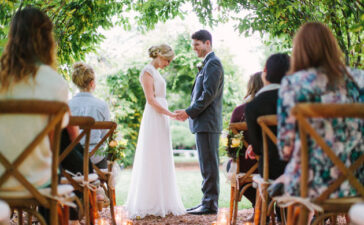
Outdoor weddings remain highly popular, but planners always evaluate practical concerns before recommending them.
Benefits of Outdoor Venues
Outdoor spaces offer:
- Natural scenery
- Open-air atmosphere
- Sunset photography
- Relaxed environments
Gardens, vineyards, beaches, and estates create visually stunning settings.
Challenges of Outdoor Weddings
Outdoor venues also require planning for:
- Weather changes
- Wind conditions
- Temperature extremes
- Backup power
- Tent rentals
- Ground accessibility
Backup plans are essential for any outdoor celebration.
Ask About Vendor Flexibility
Some venues allow complete vendor freedom, while others require couples to use preferred or exclusive vendors.
Questions Couples Should Ask
Important vendor-related questions include:
- Are outside caterers allowed?
- Are there preferred vendor lists?
- Are there setup restrictions?
- What are the vendor arrival times?
- Are there noise limitations?
Understanding these policies helps avoid surprises later.
Why Flexibility Matters
More vendor flexibility often allows couples greater creative control and budget management options.
Evaluate Lighting and Photography Opportunities
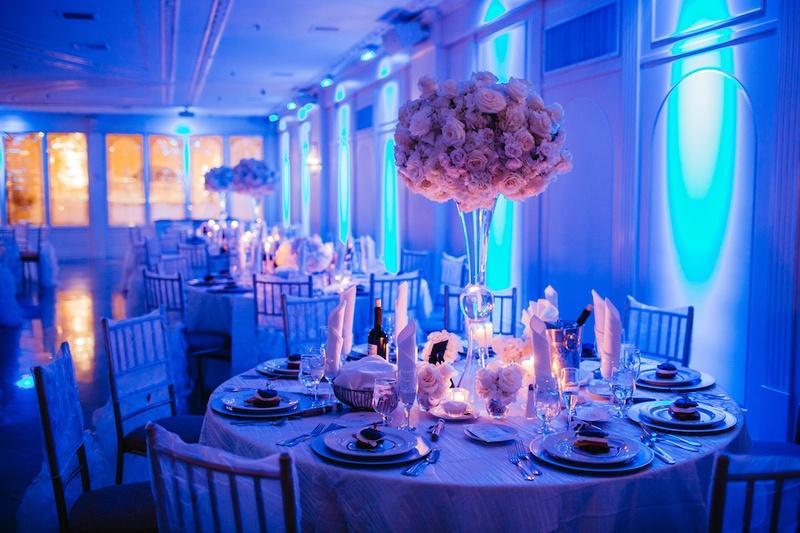
Lighting dramatically affects both the atmosphere and wedding photography results.
What Professional Planners Look For
Experienced planners assess:
- Natural light quality
- Sunset timing
- Indoor lighting systems
- Ceiling height
- Scenic backgrounds
- Architectural details
A venue that photographs well can reduce the need for excessive décor.
Why Lighting Is So Important
Even luxury venues can feel less impressive if lighting is poorly designed or insufficient for evening events.
Consider Seasonal Timing
The season plays a major role in venue selection.
Seasonal Planning Considerations
Couples should think about:
- Weather patterns
- Peak tourism seasons
- Venue pricing fluctuations
- Natural scenery changes
- Sunset timing
A venue that looks beautiful in spring may feel entirely different in winter.
Seasonal Beauty Can Reduce Décor Costs
Gardens in bloom, autumn foliage, or waterfront sunsets naturally enhance visual appeal without requiring extensive decoration.
Evaluate Venue Amenities
Full-service venues can simplify planning significantly.
Amenities That Add Value
Helpful venue amenities may include:
- In-house catering
- Bridal suites
- Tables and chairs
- Lighting packages
- Parking attendants
- Event coordinators
- Audio equipment
Included services can reduce both stress and overall costs.
Why Convenience Matters
Managing fewer external vendors often creates a smoother planning experience and better event coordination.
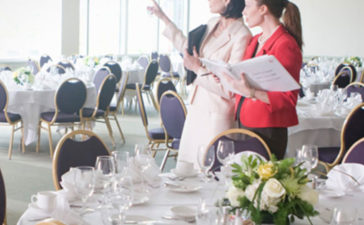
Visit Venues in Person
Online photos rarely tell the full story. Professional planners strongly recommend in-person tours whenever possible.
What to Observe During Tours
Couples should pay attention to:
- Cleanliness
- Staff professionalism
- Noise levels
- Maintenance quality
- Bathroom conditions
- Parking accessibility
- Surrounding areas
Photos can hide logistical challenges that become obvious during walkthroughs.
Visit at the Same Time as the Wedding
Lighting and atmosphere often change dramatically throughout the day. Evening tours provide more realistic expectations for nighttime events.
Understand Venue Restrictions
Every venue has operational policies that can affect the wedding experience.
Common Restrictions Include
- Event end times
- Noise ordinances
- Open flame limitations
- Alcohol policies
- Décor restrictions
- Vendor access limitations
Understanding rules early helps prevent planning conflicts later.
Ask for Policies in Writing
Verbal agreements should always be confirmed within contracts or written communication.
Consider Venue Accessibility
Accessibility should be a major priority when selecting a wedding venue.
Important Accessibility Features
Planners evaluate:
- Wheelchair access
- Elevator availability
- Accessible restrooms
- Smooth walkways
- Elderly guest accommodations
Inclusive planning ensures all guests can enjoy the celebration comfortably.
Balance Beauty With Practicality
One of the most important pieces of planner advice is to avoid choosing a venue based solely on aesthetics.
A Beautiful Venue Must Also Function Well
Practical concerns such as parking, power supply, weather protection, and guest comfort directly affect event success.
Why Logistics Matter More Than Couples Expect
Even visually stunning venues can create stress if operations become difficult during setup or the event itself.
Trust the Emotional Connection
While practical considerations matter greatly, emotional connection still plays an important role in venue selection.
The Right Venue Often Feels Obvious
Many couples describe finding a venue that immediately feels aligned with their vision and personalities.
Balance Emotion With Strategy
The ideal venue combines emotional appeal with strong functionality and logistical support.
Final Thoughts
Wedding venue selection is one of the most influential decisions in the entire planning process. The right venue shapes the atmosphere, guest experience, logistics, and visual identity of the celebration from beginning to end.
Professional wedding planners approach venue selection strategically by balancing aesthetics, practicality, budget, functionality, and guest comfort. A beautiful space alone is not enough. Successful venues also support smooth operations, comfortable experiences, and the couple’s overall vision.
Whether couples choose a luxury ballroom, vineyard, rooftop, garden, beach, or private estate, thoughtful venue selection creates the foundation for a wedding that feels organized, memorable, and emotionally meaningful for everyone involved.
Frequently Asked Questions
When should couples book their wedding venue?
Most couples should book their venue at least nine to twelve months in advance, especially for popular wedding seasons and highly requested locations.
What is the most important factor when choosing a wedding venue?
The most important factor is finding a venue that aligns with the couple’s vision, budget, guest count, and logistical needs.
How much of the wedding budget should go toward the venue?
Many planners recommend allocating approximately 30 to 40 percent of the total wedding budget toward the venue and catering combined.
Are outdoor wedding venues more difficult to manage?
Outdoor venues can require additional planning for weather, power, lighting, and guest comfort, but they also provide beautiful natural settings and flexible layouts.
Why is guest comfort so important in venue selection?
Guest comfort affects the overall experience significantly. Accessibility, seating, climate control, and convenience all contribute to how guests remember the wedding.
Should couples use preferred venue vendors?
Preferred vendors can simplify coordination because they already understand the venue’s operations, though couples should still review all options carefully.
What questions should couples ask during venue tours?
Couples should ask about pricing, guest capacity, vendor policies, setup times, restrictions, backup weather plans, included amenities, and accessibility features.