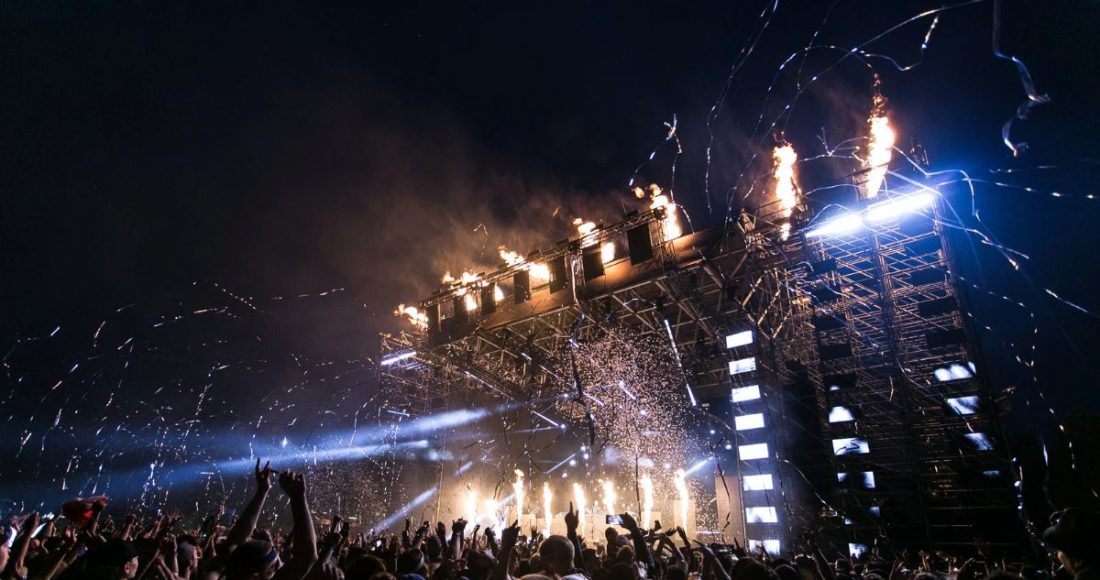

Grand celebrations require far more than beautiful decorations and large guest lists. Behind every successful luxury wedding, gala, anniversary party, corporate event, or milestone celebration is a carefully coordinated production strategy that brings every detail together seamlessly. Modern event production combines creativity, logistics, technology, entertainment, and guest experience design to create unforgettable moments.
Today’s guests expect immersive experiences rather than simple gatherings. Lighting, sound, staging, digital displays, catering flow, and entertainment all contribute to how an event feels emotionally and visually. Successful event production is about transforming a venue into a fully coordinated experience that engages guests from the moment they arrive until the celebration ends.
Professional event producers understand that grand celebrations depend on precise planning, teamwork, technical execution, and thoughtful storytelling. Every detail, no matter how small, contributes to the overall atmosphere and guest perception.
What Event Production Means for Large Celebrations
Event production refers to the technical and creative coordination of all elements required to execute an event successfully. It involves far more than planning schedules or selecting décor.
Core Components of Event Production
Professional event production typically includes:
- Lighting design
- Audio systems
- Stage construction
- Visual displays
- Entertainment coordination
- Technical management
- Guest flow planning
- Venue transformation
- Production timelines
These elements work together to create a cohesive and immersive guest experience.
Creating a Strong Event Vision
Every grand celebration begins with a clear vision. Without a unified concept, even expensive events can feel disorganized or disconnected.
Why Creative Direction Matters
A strong production concept helps guide decisions involving:
- Venue styling
- Lighting choices
- Entertainment
- Furniture layouts
- Floral installations
- Stage design
- Guest interaction
Consistency across these areas creates a polished and intentional atmosphere.
Building a Cohesive Theme
Professional producers often begin by defining:
- Event mood
- Color palette
- Design inspiration
- Guest experience goals
- Emotional tone
The most memorable events feel immersive because every detail supports the same overall vision.
Lighting Design as a Transformational Tool
Lighting is one of the most powerful elements in event production. It dramatically influences mood, energy, and visual impact.
Popular Event Lighting Techniques
Grand celebrations often include:
- Ambient uplighting
- Pin spotting
- Dynamic dance floor lighting
- Candlelight effects
- LED installations
- Projection mapping
- Hanging light structures
Lighting can make a venue feel romantic, dramatic, energetic, or sophisticated depending on the production goals.
Why Lighting Matters So Much
Even beautiful décor loses impact without proper lighting. Strategic lighting highlights important areas while guiding guest attention throughout the event.
Professional Audio Systems Improve Guest Experience
Sound quality significantly affects how guests experience speeches, entertainment, and music.
Important Audio Considerations
Professional event producers focus on:
- Speaker placement
- Acoustic balance
- Wireless microphone systems
- DJ and band coordination
- Ceremony sound coverage
- Backup audio solutions
Poor sound quality can quickly disrupt even the most visually stunning event.
Balancing Volume and Comfort
Music should energize the space without overwhelming conversations during dining and social interactions.
Stage Design for Visual Impact
Stages are often central focal points during grand celebrations. Whether hosting live entertainment, speeches, or performances, stage design plays a major role in event presentation.
Popular Stage Design Features
Modern stages may include:
- LED screens
- Floral backdrops
- Elevated platforms
- Custom signage
- Digital visuals
- Architectural framing
Well-designed stages improve visibility while reinforcing the event’s overall aesthetic.
Why Stage Placement Matters
Strategic stage positioning helps maintain guest engagement and improves crowd flow throughout the celebration.
Event Flow and Guest Movement Planning
One of the most overlooked production techniques is guest flow management. Grand celebrations can feel chaotic without intentional movement planning.
Areas That Require Flow Coordination
Producers carefully organize:
- Entrance experiences
- Cocktail hour transitions
- Dining movement
- Dance floor access
- Restroom accessibility
- Entertainment timing
Efficient layouts help guests feel comfortable and engaged throughout the event.
Avoiding Congestion
Strategic furniture placement and clear pathways prevent overcrowding while improving guest comfort.
Large-Scale Floral Installations
Modern event production increasingly uses oversized floral installations to create dramatic visual moments.
Popular Floral Production Trends
Grand celebrations often feature:
- Hanging floral ceilings
- Floral arches
- Stage installations
- Statement centerpieces
- Flower walls
- Suspended greenery designs
These large-scale installations help define the event atmosphere while creating strong visual impact.
Why Florals Matter in Production
Flowers contribute texture, color, and softness while enhancing the immersive quality of luxury celebrations.
Projection Mapping and Visual Technology
Technology has become one of the most exciting aspects of modern event production.
What Projection Mapping Does
Projection mapping allows producers to transform walls, ceilings, and stages using moving visuals and animations.
Common uses include:
- Animated backgrounds
- Custom monograms
- Digital storytelling
- Dynamic lighting effects
- Branded event visuals
These features create highly immersive guest experiences.
Why Visual Technology Is Growing
Guests increasingly expect interactive and visually stimulating experiences at large-scale celebrations.
Entertainment Coordination Techniques
Entertainment is no longer limited to a DJ or live band. Grand celebrations now incorporate layered entertainment experiences throughout the event.
Popular Entertainment Elements
Modern events may include:
- Live musicians
- Aerial performers
- Dance productions
- Interactive artists
- Celebrity DJs
- Fireworks displays
- Cultural performances
Professional coordination ensures entertainment transitions feel smooth and intentional.
Timing Matters
Entertainment should build energy gradually rather than overwhelming guests too early in the event.
Custom Dance Floor Design
Dance floors have become important visual and functional design elements within event production.
Trending Dance Floor Styles
Popular options include:
- Monogrammed floors
- LED dance floors
- Reflective finishes
- Black-and-white patterns
- Floral-inspired designs
Custom flooring helps personalize the event while visually anchoring the entertainment area.
Why Dance Floors Matter
A well-designed dance floor naturally encourages guest participation and improves event energy.
Luxury Lounge Spaces
Grand celebrations increasingly include dedicated lounge areas where guests can relax and socialize.
Purpose of Lounge Installations
Lounge spaces help:
- Break up large venues
- Encourage conversation
- Improve guest comfort
- Create visual depth
- Support varied guest experiences
Soft seating also provides relief for guests who may not want to remain at dining tables all evening.
Popular Lounge Design Trends
Modern lounges often include:
- Velvet furniture
- Neutral palettes
- Accent lighting
- Cocktail tables
- Floral accents
These spaces add sophistication while improving event functionality.
Catering Production and Service Coordination
Food service timing plays a major role in overall event success.
Key Catering Production Considerations
Professional producers coordinate:
- Meal timing
- Kitchen logistics
- Buffet placement
- Service staff movement
- Bar access
- Dessert displays
Efficient catering flow prevents delays and keeps guests engaged.
Interactive Food Experiences
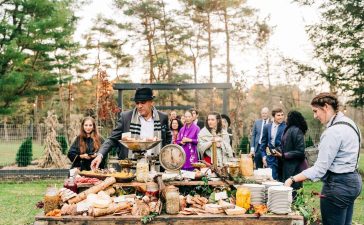
Many grand celebrations now feature:
- Chef stations
- Live cooking
- Dessert installations
- Late-night food experiences
These additions create more dynamic and memorable dining experiences.
Event Timeline Management
A carefully structured timeline is essential for large-scale celebrations.
What a Production Timeline Includes
Professional event schedules often coordinate:
- Vendor arrivals
- Setup windows
- Ceremony timing
- Entertainment cues
- Meal service
- Lighting transitions
- Guest departures
Precise timing prevents confusion while maintaining event momentum.
Why Timing Affects Atmosphere
Events that run smoothly feel more polished and enjoyable for guests.
Backup Planning and Technical Redundancy
Experienced event producers always prepare for unexpected issues.
Common Backup Strategies
Important contingency plans include:
- Backup generators
- Additional microphones
- Weather plans
- Spare lighting equipment
- Emergency staffing
- Transportation alternatives
Preparedness helps prevent disruptions from negatively affecting the celebration.
Why Redundancy Matters
Large events involve many moving parts, and technical failures can happen without warning. Backup systems protect the guest experience.
Sustainable Event Production Is Growing
Luxury event production increasingly incorporates environmentally responsible practices.
Sustainable Production Techniques
Modern events may include:
- Energy-efficient lighting
- Digital signage
- Reusable décor
- Sustainable floral sourcing
- Waste reduction systems
- Local vendor partnerships
Sustainability is becoming a key consideration even within high-end celebrations.
Why Sustainable Events Appeal to Guests
Many attendees appreciate celebrations that combine luxury with social and environmental awareness.
Venue Transformation Strategies
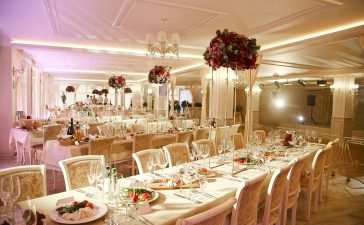
One hallmark of exceptional event production is the ability to completely transform a venue.
Common Venue Transformation Techniques
Producers often use:
- Draping systems
- Ceiling installations
- Architectural lighting
- Scenic staging
- Custom furniture layouts
- Large-scale décor builds
These techniques help create immersive environments that feel unique and memorable.
Why Transformation Creates Impact
Guests are more likely to remember celebrations that feel visually unexpected and emotionally immersive.
Guest Experience Is the Ultimate Priority
The most successful grand celebrations focus not only on visuals but also on how guests feel throughout the event.
Key Guest Experience Factors
Professional producers prioritize:
- Comfort
- Accessibility
- Atmosphere
- Entertainment pacing
- Hospitality
- Ease of navigation
Every production decision should support a positive and memorable guest experience.
Emotional Connection Matters
Beautiful design alone does not guarantee a successful event. Guests remember how the celebration made them feel emotionally.
Final Thoughts
Event production is the foundation of every successful grand celebration. From lighting and staging to entertainment coordination and guest flow management, every detail contributes to the overall atmosphere and experience.
Modern event production goes beyond logistics by creating immersive environments that feel emotionally engaging, visually impressive, and thoughtfully organized. Whether planning a luxury wedding, gala, anniversary, or milestone celebration, strong production techniques help transform ideas into unforgettable experiences.
The most memorable events are not simply large or expensive. They are the celebrations where every element works together seamlessly to create beauty, comfort, excitement, and lasting emotional impact for everyone involved.
Frequently Asked Questions
What is event production for large celebrations?
Event production involves managing the technical, creative, and logistical elements required to execute large-scale events successfully, including lighting, sound, staging, and entertainment coordination.
Why is lighting important in event production?
Lighting shapes mood, highlights important design elements, improves visibility, and creates atmosphere throughout the event experience.
What role does technology play in modern event production?
Technology supports visual storytelling, entertainment, projection mapping, LED displays, livestreaming, and immersive guest experiences.
How do event producers manage large guest crowds?
Producers carefully plan layouts, guest flow, seating arrangements, and activity timing to prevent congestion and improve comfort.
What makes a grand celebration feel luxurious?
Luxury events typically combine high-quality production, refined design, seamless coordination, personalized experiences, and strong guest hospitality.
Why are lounge areas important at large events?
Lounge spaces provide guests with comfortable areas to relax, socialize, and enjoy the event without remaining at dining tables all evening.
How can couples or hosts reduce stress during large events?
Hiring experienced event producers, building detailed timelines, preparing backup plans, and maintaining strong vendor communication all help reduce stress and improve event execution.