
Planning a wedding with a large guest list can feel exciting, overwhelming, and emotionally complex all at once. While intimate weddings offer simplicity, large celebrations bring a different kind of energy. They create opportunities for bigger family gatherings, expanded social circles, and unforgettable moments shared with more loved ones. However, they also require exceptional organization, communication, and coordination.
Managing a large guest list is one of the most challenging aspects of wedding planning because every decision becomes more complicated as numbers increase. Seating arrangements, catering costs, invitation logistics, transportation, venue capacity, and RSVP tracking all demand careful attention.
Professional wedding planners understand that successful large weddings are built on systems, preparation, and strategic communication. With the right approach, even a guest list exceeding 200 people can feel seamless, elegant, and enjoyable for everyone involved.
Start With a Realistic Guest List Strategy
One of the biggest mistakes couples make is creating a guest list without establishing clear priorities first. Before adding names, determine the overall vision, venue limitations, and budget boundaries.
Create Guest Categories
Professional planners often organize guests into categories such as:
- Immediate family
- Extended family
- Close friends
- Work colleagues
- Family friends
- Social acquaintances
- Plus-ones
This method helps couples identify which guests are essential and which are optional if adjustments become necessary later.
Set Guest Count Targets Early
Large weddings can grow quickly if limits are not established early in the process. Decide on a realistic maximum number before sending save-the-dates or discussing invitations with extended family.
Having a defined target helps avoid emotional decisions that can lead to overspending and logistical complications later.
Choose a Venue Designed for Large Gatherings
Not every venue handles large weddings efficiently. A beautiful location may look perfect in photos but fail to function properly for guest flow, dining service, or comfort.
Prioritize Layout and Functionality
When evaluating venues for large weddings, consider:
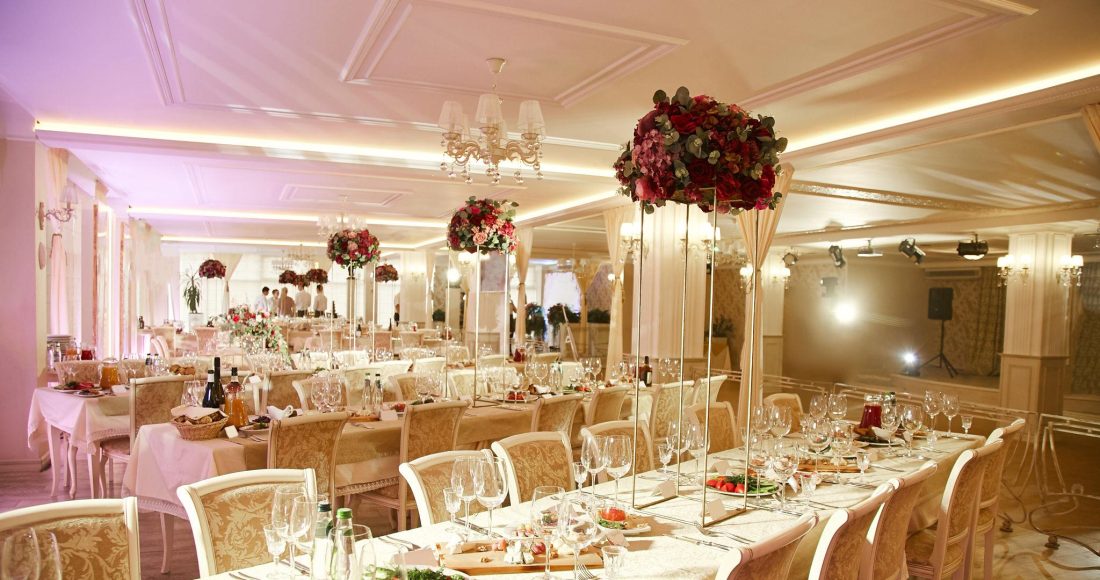
- Spacious dining areas
- Multiple restroom facilities
- Adequate parking
- Efficient entry and exit points
- Accessible walkways
- Comfortable dance floor capacity
- Catering logistics
- Acoustic quality
A venue should feel comfortable rather than overcrowded. Guests need space to move, socialize, and enjoy the event without congestion.
Think Beyond Maximum Capacity
Just because a venue can technically hold 300 people does not mean it will feel comfortable with 300 guests. Always leave room for entertainment setups, buffet stations, lounges, bars, and dance areas.
Build a Detailed RSVP Tracking System
Large guest lists require precise organization. Tracking responses manually through text messages or scattered notes often leads to confusion and errors.
Use Digital RSVP Management Tools
Wedding planners frequently recommend centralized systems for tracking:
- RSVPs
- Meal preferences
- Dietary restrictions
- Plus-ones
- Seating requests
- Contact information
Digital organization prevents overlooked responses and simplifies communication with vendors later.
Follow Up Promptly
Late RSVPs become increasingly problematic with larger weddings. Assign deadlines clearly and follow up with non-responders as soon as possible.
The sooner final numbers are confirmed, the easier it becomes to finalize catering, seating, rentals, and timelines.
Create a Thoughtful Seating Plan
Seating arrangements become significantly more complex as guest numbers increase. Strategic seating can improve the atmosphere of the reception and minimize social discomfort.
Organize Guests by Relationships and Comfort
Place guests near people they already know or share interests with. Consider:
- Family dynamics
- Age groups
- Friend circles
- Shared backgrounds
- Language preferences
- Accessibility needs
Thoughtful seating encourages conversation and helps guests feel more comfortable throughout the reception.
Avoid Last-Minute Seating Changes
Constant seating revisions create unnecessary stress. Once RSVPs are finalized, lock the seating chart as early as possible while allowing only minimal adjustments for emergencies.
Simplify Invitation Communication
Large weddings involve constant communication, making clarity extremely important.
Keep Invitation Details Clear and Concise
Include essential information such as:
- Ceremony time
- Venue addresses
- Dress code
- RSVP deadline
- Transportation details
- Accommodation recommendations
Avoid overwhelming guests with excessive wording or complicated instructions.
Create a Wedding Website
Wedding websites help reduce repetitive guest questions while centralizing important information.
A helpful wedding website may include:
- Event schedules
- Maps and directions
- Hotel recommendations
- FAQs
- RSVP links
- Registry information
This becomes especially valuable when managing out-of-town guests or multi-day celebrations.
Plan Catering With Efficiency in Mind
Feeding a large number of guests requires more than selecting a menu. Timing, service style, and kitchen logistics all affect the guest experience.
Choose Service Styles Strategically
Each catering style affects guest flow differently.
Plated Service
Best for formal weddings because it creates structure and elegance. However, it requires efficient staffing and coordination.
Buffet Service
Works well for larger guest counts because it offers variety and flexibility. Proper station placement is essential to prevent long lines.
Food Stations
Interactive stations help distribute crowds more evenly and encourage guest interaction.
Consider Dietary Restrictions Early
Larger guest lists naturally increase dietary needs. Collect allergy and dietary information during RSVP collection to help caterers prepare appropriately.
Hire an Experienced Wedding Coordinator
Large weddings require professional oversight. Coordinating timelines, vendors, guests, and logistics simultaneously becomes difficult for couples and family members to manage alone.
Why Coordination Matters
Professional wedding coordinators help manage:
- Vendor arrivals
- Guest flow
- Timeline execution
- Ceremony transitions
- Seating issues
- Transportation coordination
- Emergency problem-solving
Their presence allows couples to focus on enjoying the celebration instead of troubleshooting logistical issues.
Manage Guest Flow Throughout the Event
Large weddings can feel chaotic without intentional movement planning. Professional planners carefully structure transitions to maintain comfort and energy throughout the event.
Design Clear Reception Layouts
Guests should easily identify:
- Dining areas
- Bars
- Dance floors
- Restrooms
- Lounge spaces
- Dessert tables
- Photo booths
Clear layouts minimize confusion and prevent congestion.
Stagger Event Activities
Avoid scheduling everything at once. Spread out entertainment, speeches, dining, and dancing to maintain balance and keep guests engaged throughout the evening.
Budget Carefully for Guest Count Growth
One of the most important realities of large weddings is that costs increase rapidly with every additional guest.
Expenses Directly Tied to Guest Count
Major per-person costs include:
- Catering
- Rentals
- Invitations
- Favors
- Seating
- Bar service
- Desserts
Even adding twenty extra guests can significantly impact the overall budget.
Allocate Funds Strategically
Prioritize spending on areas guests notice most, including:
- Food quality
- Comfortable seating
- Entertainment
- Efficient service
- Venue atmosphere
Guests rarely remember minor decorative details if the overall experience feels organized and enjoyable.
Prioritize Guest Comfort
A successful large wedding feels welcoming and comfortable rather than overwhelming.
Offer Convenient Transportation Options
For larger events, transportation planning can improve punctuality and reduce confusion.
Helpful options include:
- Shuttle services
- Valet parking
- Clear signage
- Transportation schedules
Provide Lounge and Rest Areas
Not every guest wants to dance all night. Lounge seating areas give guests space to relax, socialize, and recharge.
Keep Wait Times Minimal
Long lines at bars, buffets, or restrooms negatively affect the guest experience. Proper staffing and layout planning help prevent unnecessary delays.
Prepare for Family Dynamics
Large weddings often involve complicated family relationships, differing expectations, and emotional sensitivities.
Set Boundaries Early
Couples should discuss:
- Invitation priorities
- Plus-one rules
- Children policies
- Family requests
- Budget contributions
Clear communication early in the planning process prevents misunderstandings later.
Stay Focused on the Bigger Picture
It is impossible to satisfy every guest completely. The goal is to create a joyful, respectful, and memorable experience while honoring the couple’s vision.
Use Technology to Simplify Planning
Modern wedding planning tools make managing large guest lists far more efficient than in previous decades.
Helpful Technology Tools Include
- RSVP management platforms
- Seating chart software
- Shared planning calendars
- Budget tracking apps
- Vendor communication systems
These tools reduce manual work while improving organization and accuracy.
Build a Strong Vendor Team
Large weddings rely heavily on teamwork behind the scenes. Experienced vendors understand how to handle volume efficiently without sacrificing quality.
Key Vendors for Large Weddings
Focus on hiring experienced:
- Caterers
- Coordinators
- DJs or entertainment teams
- Transportation providers
- Rental companies
- Photography teams
Strong vendor communication ensures everyone understands timelines, responsibilities, and guest count expectations.
Create Moments of Personal Connection
One concern couples often have about large weddings is losing intimacy. However, thoughtful details can still make guests feel personally connected to the celebration.
Personalized Touches Matter
Consider adding:
- Handwritten notes
- Personalized welcome bags
- Family photo displays
- Meaningful speeches
- Interactive guest books
Even small gestures can make a large event feel warm and emotionally meaningful.
Final Thoughts
Managing a large wedding guest list requires organization, flexibility, communication, and careful planning. While larger celebrations come with additional challenges, they also create opportunities for unforgettable experiences filled with energy, connection, and shared joy.
Successful wedding planners understand that structure and preparation are the foundation of every well-executed large wedding. From thoughtful seating arrangements to efficient RSVP systems and guest-focused logistics, every detail contributes to the overall experience.
The most memorable large weddings are not necessarily the most extravagant. They are the celebrations where guests feel welcomed, comfortable, and genuinely included in one of life’s most meaningful milestones.
Frequently Asked Questions
How early should couples finalize a large wedding guest list?
Couples should ideally finalize the core guest list at least eight to twelve months before the wedding to allow enough time for venue selection, budgeting, and invitation planning.
What is considered a large wedding guest list?
A wedding with more than 150 guests is generally considered large, although this can vary depending on cultural traditions and regional expectations.
How can couples reduce guest list stress?
Creating clear invitation priorities, setting firm limits early, and using organized tracking systems can significantly reduce stress during the planning process.
Is buffet service better for large weddings?
Buffet service can work very well for large weddings because it offers flexibility and variety, but it requires thoughtful layout planning to avoid long lines.
How do planners handle seating chart conflicts?
Professional planners typically group guests by relationships, comfort levels, and shared connections while also considering family dynamics and accessibility needs.
Should couples invite everyone with a plus-one?
Not necessarily. Plus-one rules should align with the couple’s budget, venue capacity, and relationship priorities. Clear guidelines help maintain consistency.
What is the biggest challenge of managing large weddings?
Coordinating logistics efficiently is often the biggest challenge. Guest communication, seating arrangements, catering timing, and vendor management all become more complex as the guest count increases.